The Meridian 5

Five visits. Zero things for you to remember.

Cool-season fescue grows in two bursts, spring and fall, with a survival slog between them. The Meridian 5 is five applications pinned to that curve: barrier before crabgrass wakes, defense through the heat, and the year’s real feeding where it counts. You never call to schedule anything. The season is the schedule.

Tall fescue growth curve across the year with the five Meridian 5 application windowsGrowth peaks in April and May, dips through July and August, peaks again in September and October. Application one lands in March and April, two in May, three in June and July, four in September and October, five in October and November.JanFebMarAprMayJunJulAugSepOctNovDecspring flushsurvival modethe rebuild12345
Relative top-growth of turf-type tall fescue in the KC transition zone, with the five Meridian 5 application windows flagged.
  1. Early spring · Mar 1 – Apr 15

    Pre-emergent + wake-up feed

    Crabgrass pre-emergent barrier with a light balanced fertilizer.

    Why this, why now

    Crabgrass germinates once soil holds 55°F for about five days. The barrier has to be down before that happens, and in KC that date moves three weeks year to year. We track soil temps and beat it.

    Prodiamine pre-emergent at a split rate (the second half comes in App 2), plus a light feed to support spring green-up without pushing the surge growth that makes May mowing miserable.
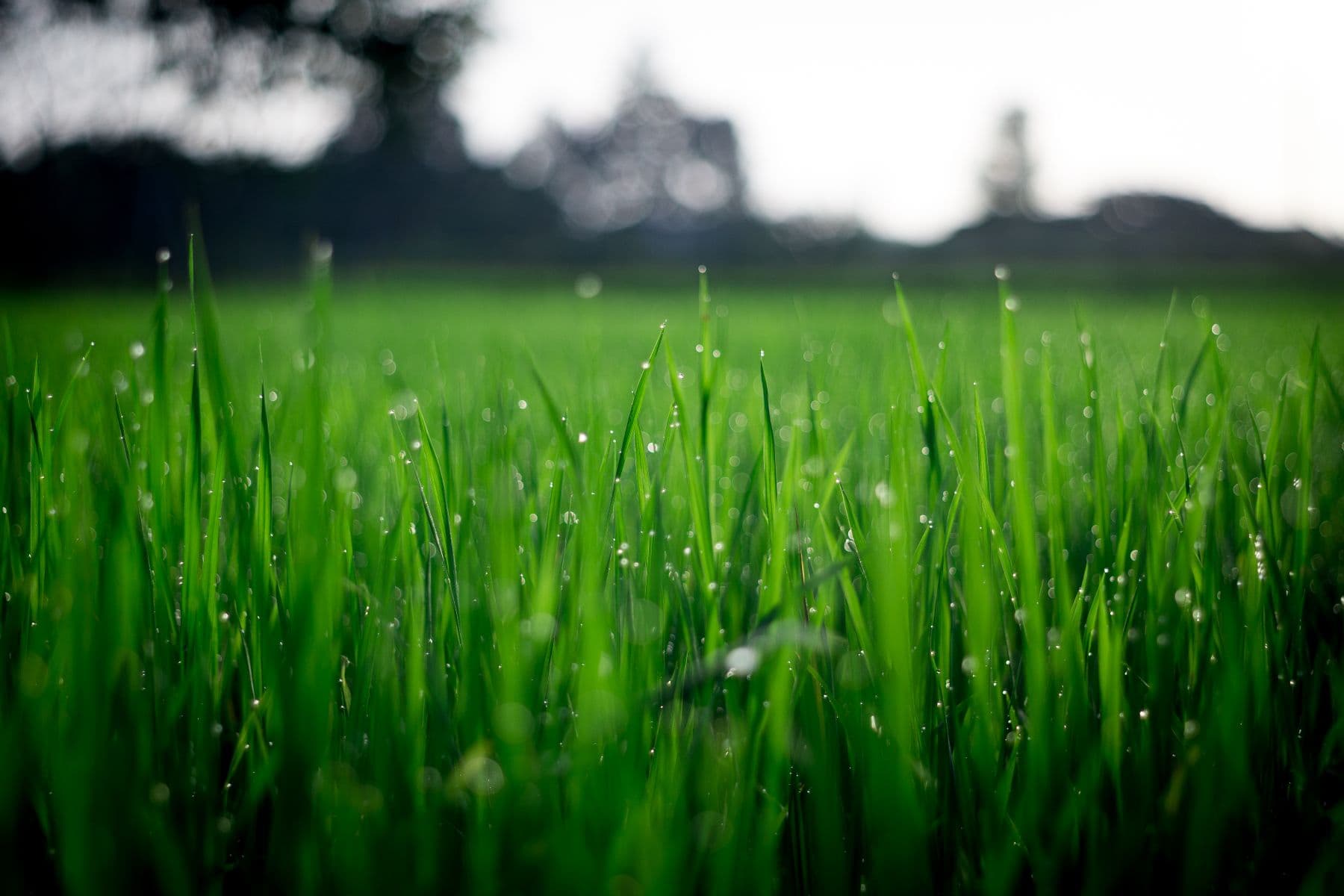
    Dew-heavy turf at first light, trees soft in the background
  2. Late spring · May 1 – May 31

    Barrier extension + broadleaf sweep

    Second half of the pre-emergent, plus targeted broadleaf weed control.

    Why this, why now

    A single spring pre-emergent quits in early July, exactly when crabgrass pressure peaks. Splitting the application carries the barrier through summer. May is also when dandelion, henbit, and clover flush, and when they are easiest to kill.

    Split-rate prodiamine completion, selective broadleaf herbicide spot-applied to actively growing weeds. Spot treatment, not blanket spray: product where weeds are, nothing where they are not.

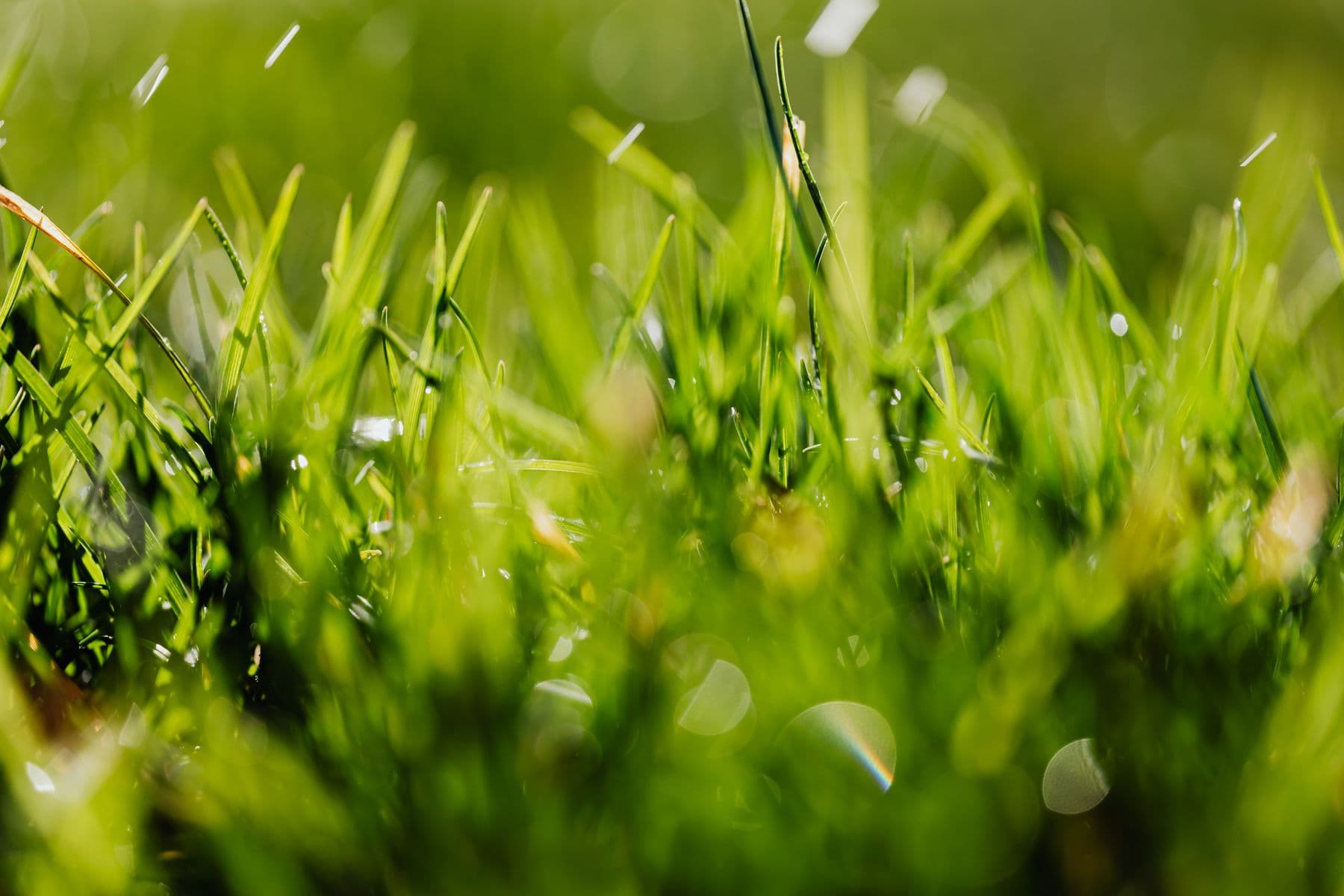
    Backlit green grass blades in late-spring sun
  3. Summer · Jun 15 – Jul 31

    Summer support + grub prevention

    Light slow-release feeding, grub preventive, disease scouting.

    Why this, why now

    Fescue semi-dorms through KC heat; heavy nitrogen now burns lawns. But June is exactly when grub preventive must go down to catch the July hatch, and when brown patch appears once nights hold above 70°F. This visit is defense, not growth.

    Reduced-rate slow-release nitrogen, imidacloprid grub preventive across the full lawn, and a documented disease scout. If we find brown patch, you get photos and a plan, not a surprise invoice.

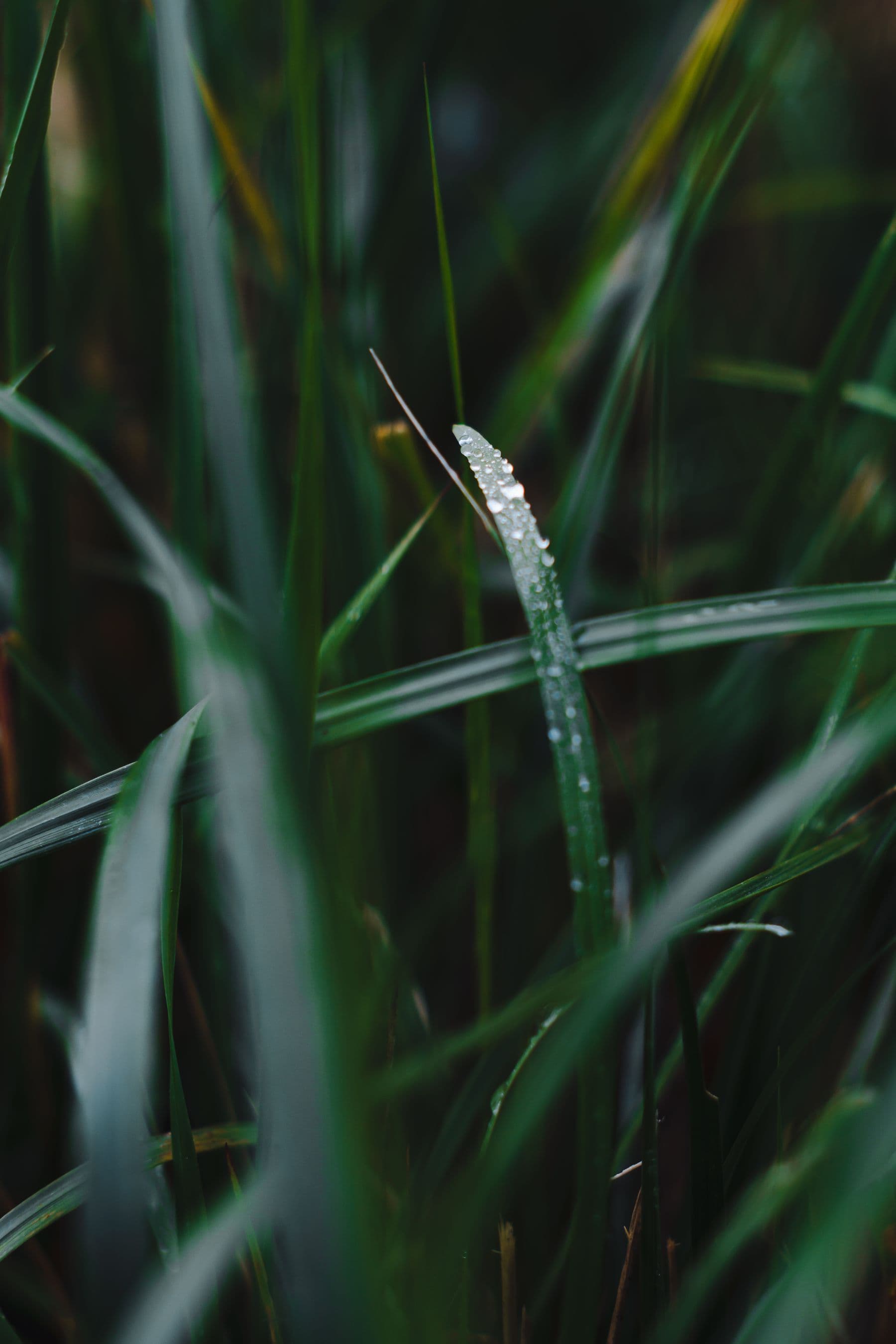
    A single fescue blade holding a line of dew in deep summer shade
  4. Early fall · Sep 1 – Oct 15

    The rebuild feeding

    The heaviest feeding of the year, timed to the fall growth peak.

    Why this, why now

    September is when cool-season grass actually builds: warm soil, cool nights, six weeks of ideal growing weather. Feeding now thickens turf and closes the bare spots weeds would claim next spring. This is also the window for aeration and overseeding if your lawn is on that plan.

    Full-rate balanced fertilizer matched to the fall flush. Pairs with core aeration + overseeding (booked separately or bundled in The Full Meridian) for the biggest single-season improvement a KC lawn can make.

    Hands pressing new seedlings into aerated soil
  5. Late fall · Oct 20 – Nov 30

    Winterizer + final sweep

    High-nitrogen winterizer and a final broadleaf pass.

    Why this, why now

    After top-growth stops, roots keep working for weeks, banking carbohydrates. A late-fall feed is stored, not grown, and it is the main reason treated lawns green up two to three weeks earlier in spring. Cooling weather also makes this the sneaky-best window to kill perennial broadleaf weeds moving energy to their roots.

    High-N winterizer once mowing ends, plus a final broadleaf application that rides the plant’s own energy flow down to the taproot. The program closes with your lawn already ahead for next year.

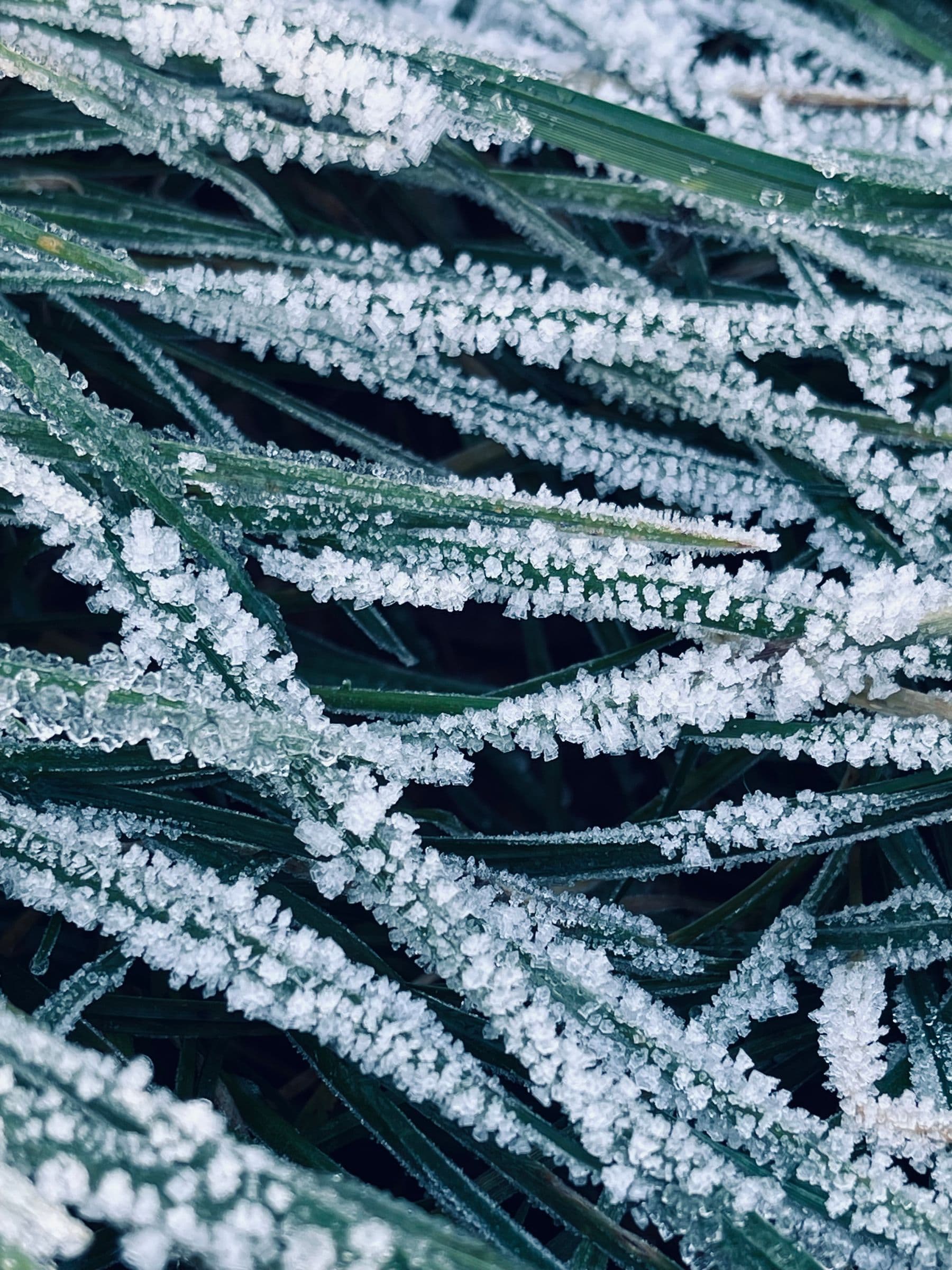
    Grass blades crusted with hoarfrost on a cold late-fall morning

The quiet part, said out loud.

Most lawn trouble in Kansas City is a timing problem wearing a product costume. Crabgrass killer applied in June is a receipt, not a treatment. Seed thrown down in April feeds the birds. Fertilizer in the July heat burns the exact grass it was supposed to help.

The Meridian 5 exists so the timing is never your job. We watch soil temperatures starting in February, and every lawn on the program gets each application inside its window, in order, every year. You will mostly notice it as a text the evening before, a small flag in the yard, and a lawn that keeps getting harder for the neighbors to ignore.

Put my lawn on the programRead the agronomy

On the program, the season runs itself.

One quote covers mowing and all five applications. Build it in two minutes and see your exact monthly number.